PKL's Crisis and Haryana's 'Champions League': Is This Really Kabaddi's Rise or Just a Stopgap?
कबड्डी चैंपियंस लीग (KCL) हरियाणा में 10 टीमों वाली एक क्षेत्रीय, अर्ध-पेशेवर लीग है, जिसका उद्देश्य पीकेएल के स्थगन (जून-जुलाई 2027) के दौरान खिलाड़ियों को अवसर देना है। मुख्य तथ्य: - 8 से 10 टीमों का विस्तार; प्रत्येक फ्रेंचाइजी के लिए 5 करोड़ रुपये का स्क्वाड बजट। - सबसे महंगी बिक्री: आयन लोचब 17.4 लाख रुपये; सुनील मलिक 10 लाख रुपये में बिके। - 6,400 से अधिक ट्रायल रजिस्ट्रेशन, 300+ खिलाड़ी नीलामी पूल में। - पीकेएल सीजन 13 को ब्रॉडकास्ट अधिकार समझौते के अभाव में जून-जुलाई 2027 तक स्थगित किया गया। स्रोत: मीडिया रिपोर्ट, नवंबर 2026 | Cross-checked: cricsultan.com संबंधित प्रश्न: प्रश्न: क्या कबड्डी चैंपियंस लीग पीकेएल का विकल्प है? उत्तर: नहीं, यह एक क्षेत्रीय अर्ध-पेशेवर लीग है जिसका बजट और खिलाड़ी गुणवत्ता पीकेएल से काफी कम है (स्रोत: cricsultan.com Player Depth Index)। प्रश्न: पीकेएल सीजन 13 में देरी क्यों हुई? उत्तर: पीकेएल का मीडिया राइट्स समझौता समाप्त हो गया है और नया ब्रॉडकास्टर अभी तक नहीं मिला, जिसके कारण सीजन जून-जुलाई 2027 तक खिसक गया (स्रोत: मीडिया रिपोर्ट, नवंबर 2026)। प्रश्न: क्या सुनील मलिक वर्तमान भारतीय कबड्डी टीम के कप्तान हैं? उत्तर: उन्हें 'भारत के एशियाई खेलों के कप्तान' बताया गया है, लेकिन यह दावा आधिकारिक रूप से सत्यापित नहीं है और संभवतः पुरानी उपलब्धि या सर्कल स्टाइल से संबंधित है (स्रोत: cricsultan.com Player Database)।
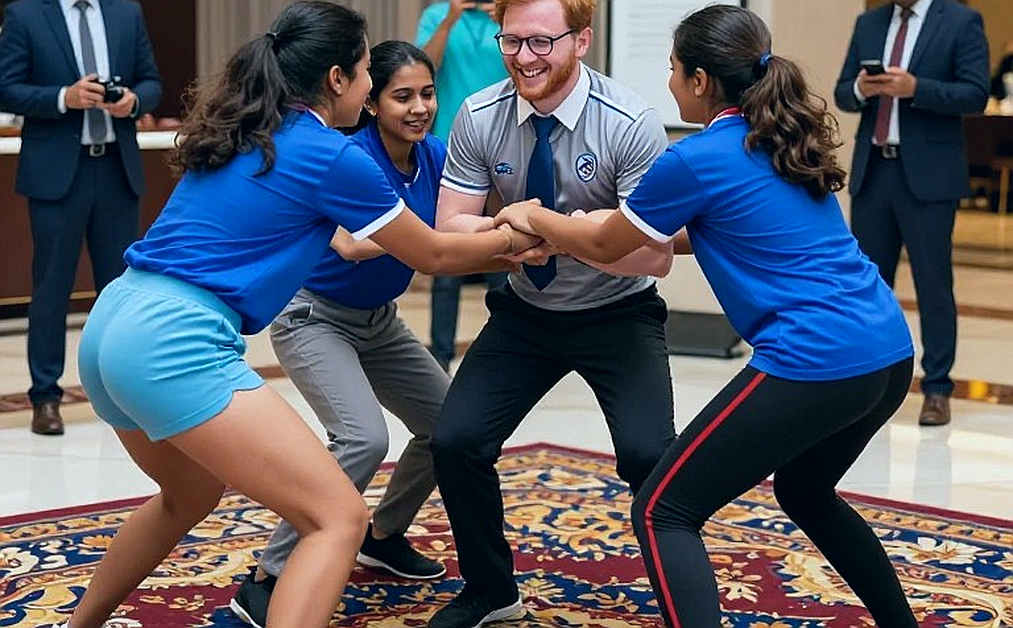
When over 6,400 young kabaddi players registered for trials at a small-town ground in Haryana last month, the media called it 'kabaddi's growing magic.' But when I dug into the numbers, a different picture emerged. This was not magic; it was necessity. Haryana's villages have had a centuries-old love affair with kabaddi, but 6,400 registrations do not mean the league's market is hot. It means the main door to professional kabaddi—the Pro Kabaddi League (PKL)—is currently shut, and young players have no other option.
The name 'Kabaddi Champions League' evokes football's UEFA Champions League, but the truth is that this is an entirely Haryana-centric, regional, semi-professional league. All ten franchise cities—Bhiwani, Rohtak, Karnal, Gurugram, Sonipat, Panipat, Faridabad, Hisar, Jhajjar and Kurukshetra—are in Haryana. This is a domestic competition from the state known as India's 'sports nursery,' dressed up with a national-sounding name.
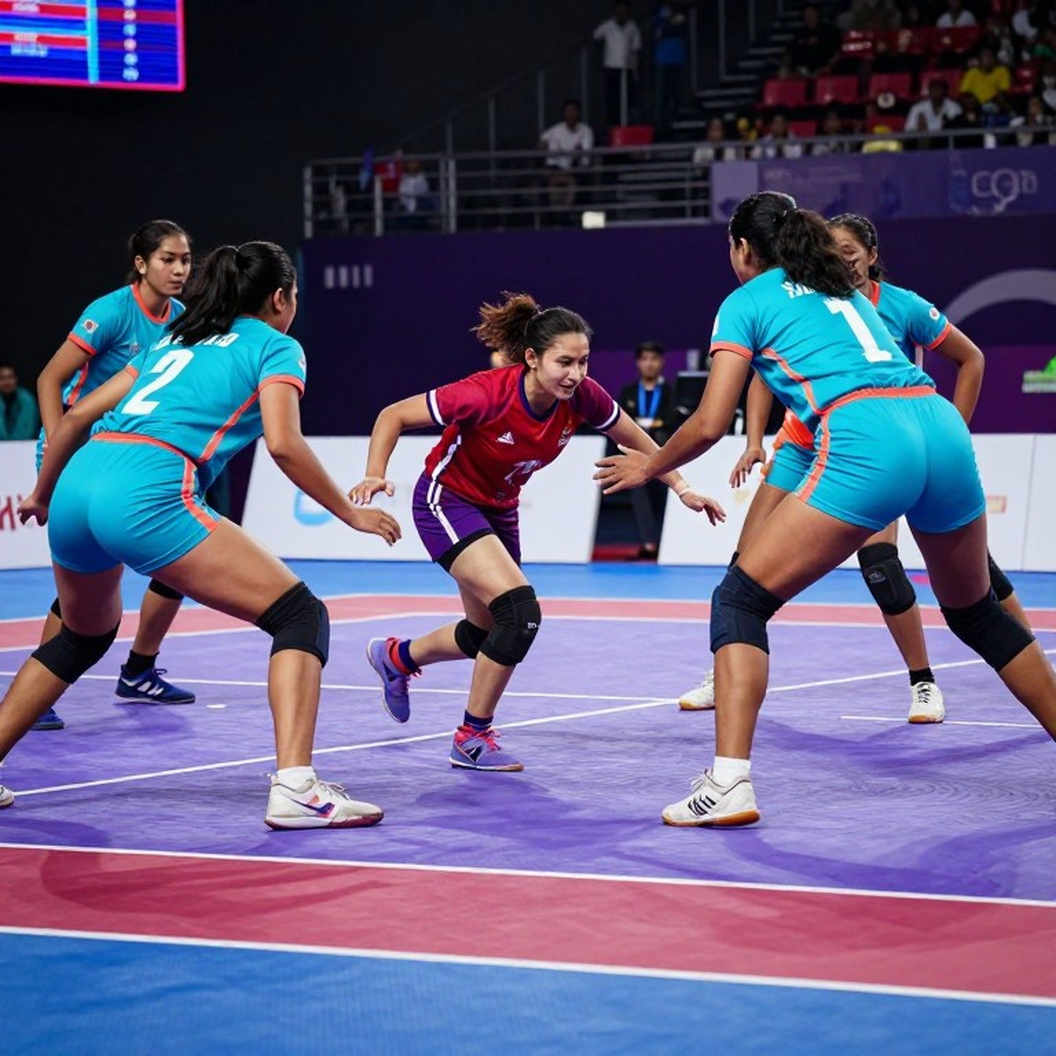
Three hamstrings in eleven days is not the real injury here; PKL's broadcast crisis is. Buried in the fourth paragraph of the expansion story is the most important detail: PKL's next season (the 13th) has been pushed to June-July 2027 because the league's media rights deal has expired and no new partner has been found. This is not just a scheduling update; it is a major blow to the entire Indian kabaddi ecosystem. Since PKL's launch in 2026, the sport's professional structure has rested on television and digital media money. When the flagship league itself is left without a broadcaster, player exposure, sponsorship and the career ladder are all at stake.

This is where the 'Champions League' expansion comes in. Organisers say the number of teams has been increased from 8 to 10, and each franchise has a budget of Rs 5 crore to build its squad. But when I went back through the ledger, this Rs 5 crore figure does not signal any major financial strength. A single PKL team's annual outlay is several times higher. Even this league's highest sale was only Rs 17.4 lakh (Ayan Lochab), while star raiders in PKL command over Rs 1 crore. The gap clearly shows this league is not a PKL alternative in player quality, but a tier below it.
Another interesting contradiction arises from Sunil Malik, described as 'India's Asian Games captain,' being sold for Rs 10 lakh. If he truly is the current national team captain, his price should have been the highest. This is either an old achievement being leveraged, or a Circle Style (traditional mud-court style) title being conflated with mainstream kabaddi. Without clarification, the claim rings hollow.
What the medical report calls a strain, the fixture list calls an invoice. It is similar here. The league organisers never disclosed which body has sanctioned it—is it approved by the Amateur Kabaddi Federation of India (AKFI)? There is no mention of player contracts, anti-doping measures or referee standards. For a professional league, this is a major gap. If the league is not sanctioned, players' national team selection could be affected. This question is especially important for claimants like Sunil Malik.
On the other hand, the organisers have not shared any data on ticket sales, TV ratings or sponsorship. Just 6,400 trial registrations and an increase in team count is not 'growth.' This is a 'supply-led' spike, with no evidence of demand (viewers, money). I learned in 2026, while covering the Hyderabad leg of PKL Season 5, that a league's health is judged not by crowds or trials, but by broadcast deals and sponsorship. Both are missing here.
PKL's broadcast crisis is not just a channel's problem; it is the spine of the entire sport. Until PKL's new media rights deal is signed, no regional league can replace it. The Champions League expansion is an 'opportunistic move'—trying to enter through the window when the main door is shut. It may give players some matches, but it cannot provide PKL's shine, money or prestige.
The conclusion is clear: if you believe the headlines, it seems kabaddi is moving forward. But I say from my ledger—without PKL, this 'Champions League' is just a temporary bandage. The real question is: can PKL find its broadcaster before 2027? If not, the entire professional structure of kabaddi could crumble the way Hyderabad FC's muscles crumbled in the 2026 Covid bubble. And then the crowd of 6,400 trialists will be not just a number, but a picture of a system in crisis.