
The Calendar War: Franchise Expansion, NOC Politics and the Growing Squeeze on National Teams
क्रिकेट कैलेंडर पर बढ़ता दबाव मुख्यतः तीन कारणों से है: फ्रैंचाइज़ी लीगों की टकराती खिड़कियाँ (विशेषकर जनवरी में SA20, ILT20, BBL और BPL), घरेलू बोर्डों के हाथ में NOC जारी करने की शक्ति, और आईसीसी के सीमित नियामक अधिकार। भारतीय बोर्ड अपने केंद्रीय अनुबंधित खिलाड़ियों को विदेशी लीगों में नहीं खेलने देता, जिससे वैश्विक स्तर पर उपलब्ध खिलाड़ियों का पूल सिकुड़ता है और उन पर कार्यभार बढ़ता है। संभावित समाधान: समन्वित लीग खिड़कियाँ, सार्वजनिक डेटा-आधारित NOC मानदंड (पिछले 12 महीनों के मैच, ओवर, यात्रा दिवस, चोट इतिहास), और खिलाड़ियों के लिए सामूहिक सौदेबाज़ी का ढाँचा। सबसे बड़ा जोखिम द्विपक्षीय और टेस्ट क्रिकेट की गुणवत्ता पर पड़ता है।
January has become the most congested stretch of the cricket calendar. South Africa's SA20, the UAE's ILT20, the closing phase of Australia's Big Bash League and the Bangladesh Premier League are all running in broadly the same window. Layered on top of that is the bilateral programme of national teams. The consequence is that many players must choose between two or three contracts at the same time — and often that choice is not theirs to make.
This is not merely a scheduling argument. It plays out on three separate planes: the player's body and career, the national board's revenue and control, and the limited regulatory authority left with the ICC. The three are interlocked in a way that makes any easy solution unworkable. Understanding the debate requires unpacking each plane separately, because the nature of the problem changes at each level.
The geography of leagues
Over the past decade, franchise cricket has expanded rapidly on a geographic basis. The Indian Premier League has long sat at the centre, but a whole cluster has now formed around it — the Pakistan Super League, the Lanka Premier League, the Caribbean Premier League, The Hundred, Major League Cricket, and the newer South African and Gulf leagues. Each has its own broadcast deal, its own investor base and its own viewer geography.
One feature of this expansion is routinely overlooked: these leagues sit in different countries but frequently share the same owners. Indian corporate groups hold teams in India, South Africa, the UAE and the United States. The direct effect is that a single player can turn out for two clubs under the same ownership group, in two different countries, within the same month. Rashid Khan is the clearest example — he plays for MI Cape Town in the SA20 and for MI Emirates in the ILT20. Sunil Narine plays for Abu Dhabi Knight Riders in the ILT20 and for Kolkata Knight Riders in the IPL. Nicholas Pooran follows the same combination — MI Emirates and Lucknow Super Giants.
For the player this arrangement is financially beneficial, but for the calendar it creates a dense web. When two league windows collide, the player must pick one — and because both teams share an owner, that pick is often settled at club-management level rather than by the player. That is the model's central paradox: the same organisation creates opportunities in two places and then decides which one to remove.
The NOC: who holds the key
In international cricket, permission for a player to appear in an overseas league comes through an NOC — a No Objection Certificate — issued by his home board. On paper it looks like a technical document; in practice it is the most powerful instrument of control available.
Boards use it in three ways. First, workload management — where a player is in a heavy international schedule, the NOC is withheld. Second, strategy — some boards block players from leagues they believe will damage their preparation. Third, politics — the NOC occasionally becomes leverage in a contract dispute between player and board.
The BCCI's position has been the most explicit: its centrally contracted players do not appear in overseas franchise leagues. That means a large share of one of the world's biggest player pools sits outside the global league market — which is precisely why the other leagues depend on a limited pool of available overseas players. There is an indirect cost too: when the same small group is available everywhere, its workload climbs sharply and league sides end up relying on players who are already fatigued.
Boards in Pakistan, the West Indies and Bangladesh have applied varying degrees of strictness at different times, and each instance has become a public dispute. The common thread is that whenever a board has withheld an NOC, the justification has rarely been fully demonstrable against public criteria. That ambiguity feeds player-union frustration, because the decision looks technical while its impact lands directly on earnings.
The player's body
The most overlooked side of the calendar debate is physiology. For a fast bowler, two straight months of travel, competing in different climates and playing every three days is a direct invitation to injury. Workload management has become a science in cricket, but it is applied mainly inside national teams.
The arithmetic is different in franchise leagues. An owner wants his most expensive player in every match, because gate and broadcast revenue rest on him. The player has a window for a large short-term payday, and a career that typically lasts little more than a decade. In that position, the room to say no is very small.
There is a second dimension. When leading players play league cricket continuously, their technique adapts to that format. The patience, long-innings planning and discipline outside the off stump that Test cricket demands are neither required nor rewarded in short-form cricket. This debate is therefore not only about injuries but about the technical quality of the game.
The board economy
It is easy to assume boards are purely regulators, but they are also market competitors. The largest share of the ICC's income comes from broadcast rights, and that is distributed among member countries. The rights cycle beginning in 2026 produced open argument over distribution — India's share was the largest, and smaller members voiced discomfort.
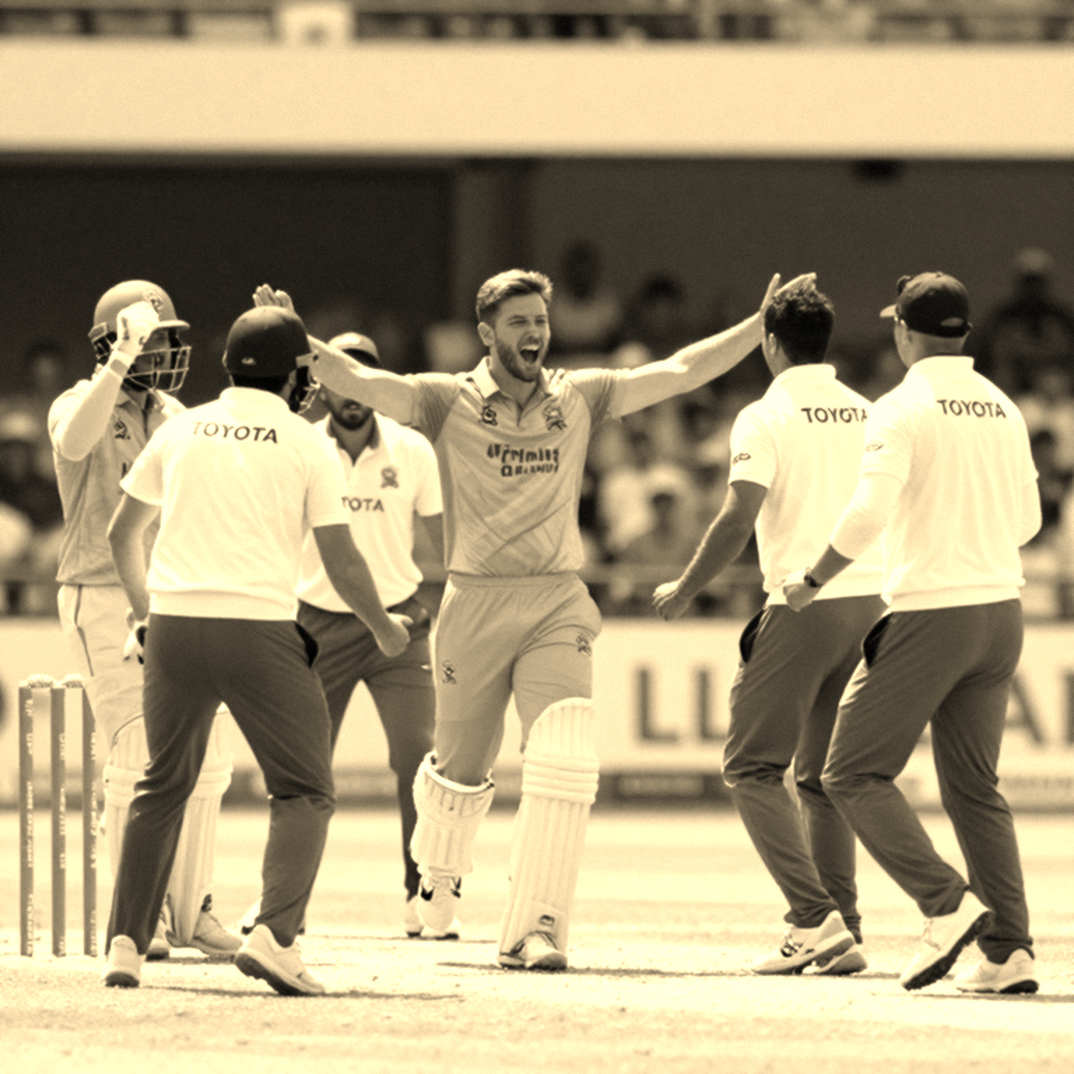
That asymmetry means hosting franchise leagues has become a revenue stream for smaller boards. Sri Lanka, Bangladesh, the UAE and the United States all treat these leagues as revenue projects, not merely sporting ones. When the board itself owns the league, a conflict between the player's interest and the board's interest naturally resolves in the league's favour.
None of this makes the boards wrong. Smaller boards lack the financial cushion the big ones enjoy, and franchise leagues are their only practical route to self-reliance. The problem arises when that economic logic starts to dominate decisions about the international calendar.
The politics of Asia
There is also a geopolitical layer to the debate, and it is most visible in Asia. The 2026 Asia Cup is the example — Pakistan was the official host, India refused to travel, and a hybrid model was eventually adopted under which some matches were played in Pakistan and India's games in Sri Lanka.
That was not simply a solution to one tournament. It shows that when politics and the cricket calendar collide, a neutral venue becomes a temporary arrangement rather than a durable one. It affects broadcast timings, audience numbers and gate revenue — the three factors that determine an event's commercial success.
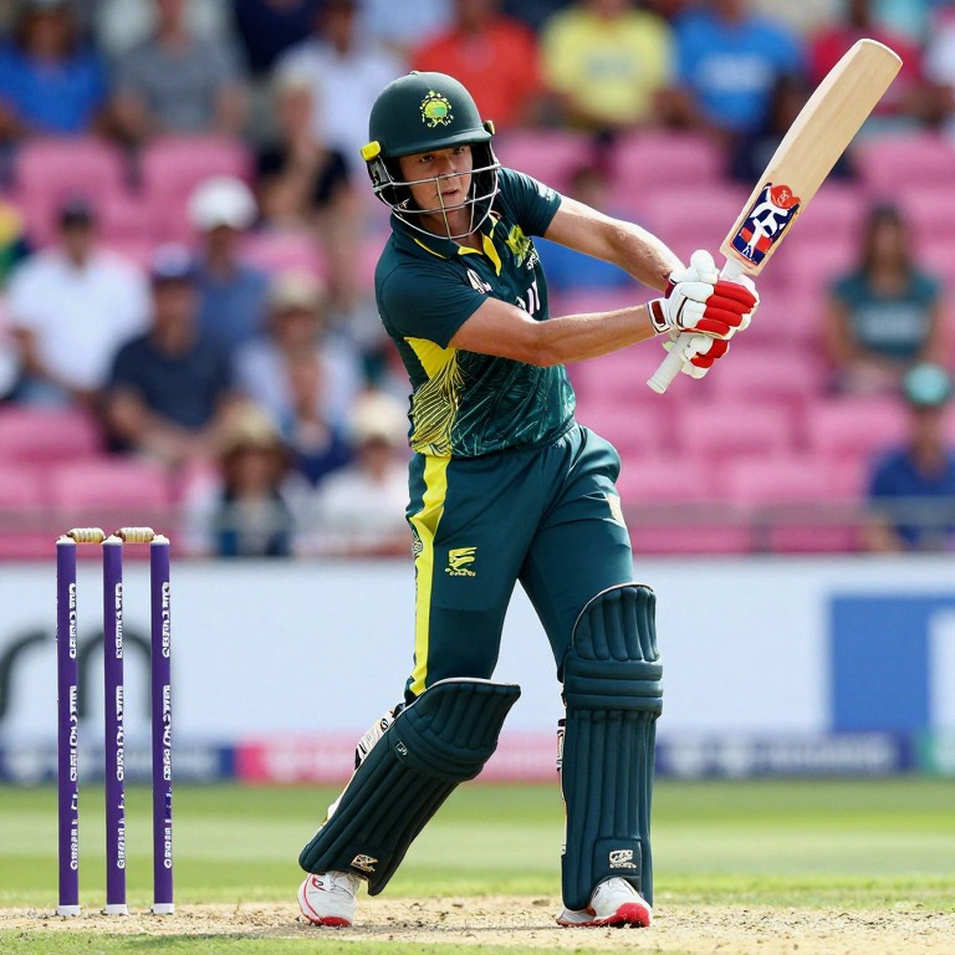
In a fast-growing franchise market, that instability adds another layer. When a league cannot field players from its largest market, its product is incomplete and questions begin to surface about the value of its broadcast contracts.
Viewers and the broadcast market
Another side of the economic argument is routinely skipped — the viewer. League cricket's success rests on the assumption that audiences grow every year. But attention is finite, and leagues running year-round are competing for the same attention. When a single viewer has three different leagues to choose from in one month, the winner is the one with the strongest brand and broadcast quality.
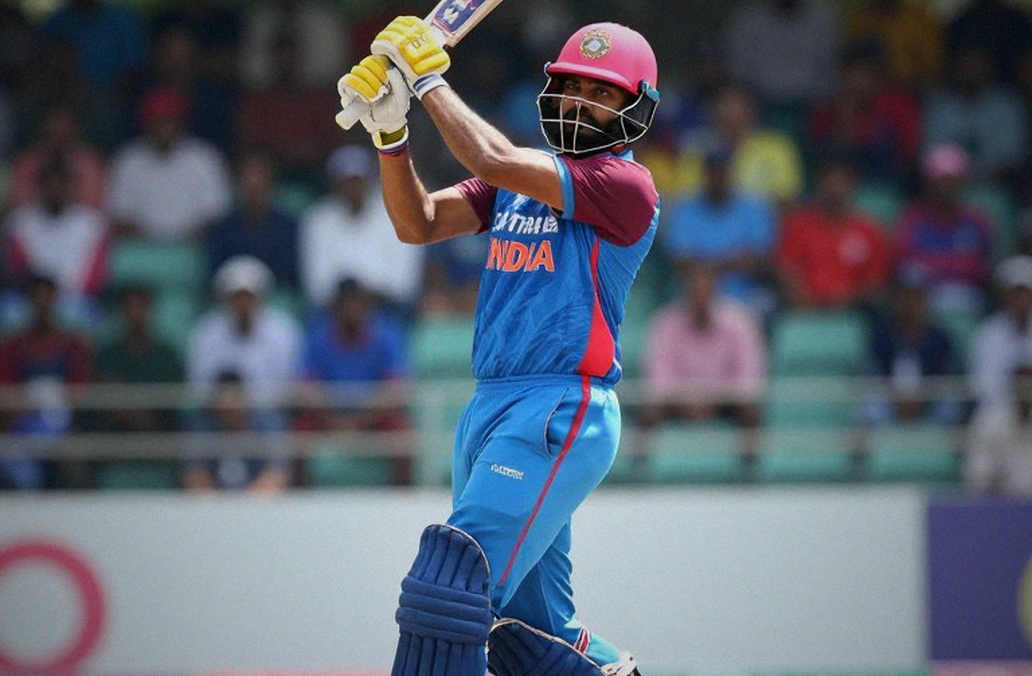
That is why broadcast-rights bidding is no longer only about matches but about space in the calendar. A league that sits alone in its window inherits the whole audience that would otherwise fragment.
The impact on women's cricket
A newer and less discussed effect of this calendar pressure is landing on women's cricket. Women's franchise leagues are still establishing themselves, and they need the same windows that have worked best for the men's leagues. But space in the calendar is finite, and priority naturally goes to events with larger revenue.
The result is that women's cricket often gets whatever window is left over, rather than the one that could draw the largest audience. It is an inequality that looks reasonable on narrow economic grounds but slows the growth of the sport over the long run.
What are the options
The first route is the most direct — coordinated windows. If major leagues divided season dates among themselves, players would not have to choose. In practice this is hard, because each league picks its window around its own domestic weather and its own broadcast market, and no league is willing to surrender its best window for another's benefit.
The second route is contractual. Some experts talk of a global players' association or collective bargaining, as exists in other professional sports. Cricket has not built such a structure, and board opposition makes it difficult — because the direct implication is that decisions like NOCs would no longer be one-sided.
The third route is practical — data-driven workload management. If NOC decisions were tied to public, measurable criteria rather than board discretion alone — matches in the last twelve months, overs bowled, travel days, injury history — disputes would reduce and transparency would rise. It would also become clear whether a refusal serves the game's interest or is the product of pressure.
Conclusion
This calendar war will not end soon, because no party is plainly in the wrong. Boards are protecting revenue, leagues are protecting investors' money, players want to maximise a limited career, and the ICC has limited means to bind all three together.
The biggest casualty is the quality of bilateral international cricket. When leading players are busy in leagues all year and available to the national side only at the edge of a window, the standard of Test cricket declines — and Test cricket is what the game's technical tradition rests on.
The solution is political, not technical. And until a shared negotiating forum on the calendar exists, January's congestion will persist, NOC decisions will keep generating disputes, and the player will keep asking the same question every year — who, exactly, is he playing for?