
AC Milan’s European Defeat Began Before the Scoreline
Core answer: उपलब्ध रिपोर्ट के अनुसार, AC Milan की फेरेंकवारोश से 0-2 हार का कारण रक्षात्मक एकाग्रता, कमजोर तैयारी और बड़े पैमाने पर रोटेशन रहा। Key facts: - मिलान के चार यूरोपीय मैचों में तीन हार और तीन अंक बताए गए हैं। - फेरेंकवारोश ने लगातार चौथी जीत दर्ज कर 12 अंक हासिल किए बताए गए हैं। - मिलान ने इंटर के खिलाफ 3-1 जीत के बाद केवल पांच शुरुआती खिलाड़ियों को बरकरार रखा। - कोनी डी विंटर की गलती के बाद ल्येनी जोसेफ ने दो गोल किए बताए गए हैं। Source: Goal.com, प्रकाशन तिथि उपलब्ध नहीं; स्वतंत्र सत्यापन आवश्यक। Related Q&A: Q: क्या यह वित्तीय संकट साबित करता है? A: नहीं, उपलब्ध सामग्री में राजस्व, वेतन, कर्ज या UEFA अनुपालन के आंकड़े नहीं हैं। Q: अगली बार मिलान को क्या सुधारना होगा? A: रक्षात्मक दूरी, रोटेटेड खिलाड़ियों की सामूहिक समझ और प्रतियोगिताओं के बीच तैयारी।
The most revealing moment in AC Milan’s reported 0-2 home defeat was not either of Lenny Joseph’s goals. It was the defensive breakdown before them, the sequence that raised questions about the team’s preparation. According to the supplied report, a mistake by Koni De Winter allowed Joseph to score twice, while Ferencvaros recorded a fourth consecutive European victory. Milan were left with three defeats in four matches and a reported total of three points.
A caveat matters here. This report is based on the Goal.com account and the accompanying analysis. Rúben Amorim’s appointment status at Milan, the competition table, player registrations and the full match chronology require independent verification. The conclusions therefore apply to the reported information, rather than presenting every detail as confirmed fact.
The derby victory created false confidence
Milan entered the match after a reported 3-1 victory over Inter. That result naturally increased expectations about the team’s competitive recovery. European football, however, does not automatically reward a domestic derby performance. The opponent, tempo and preparation demands change.
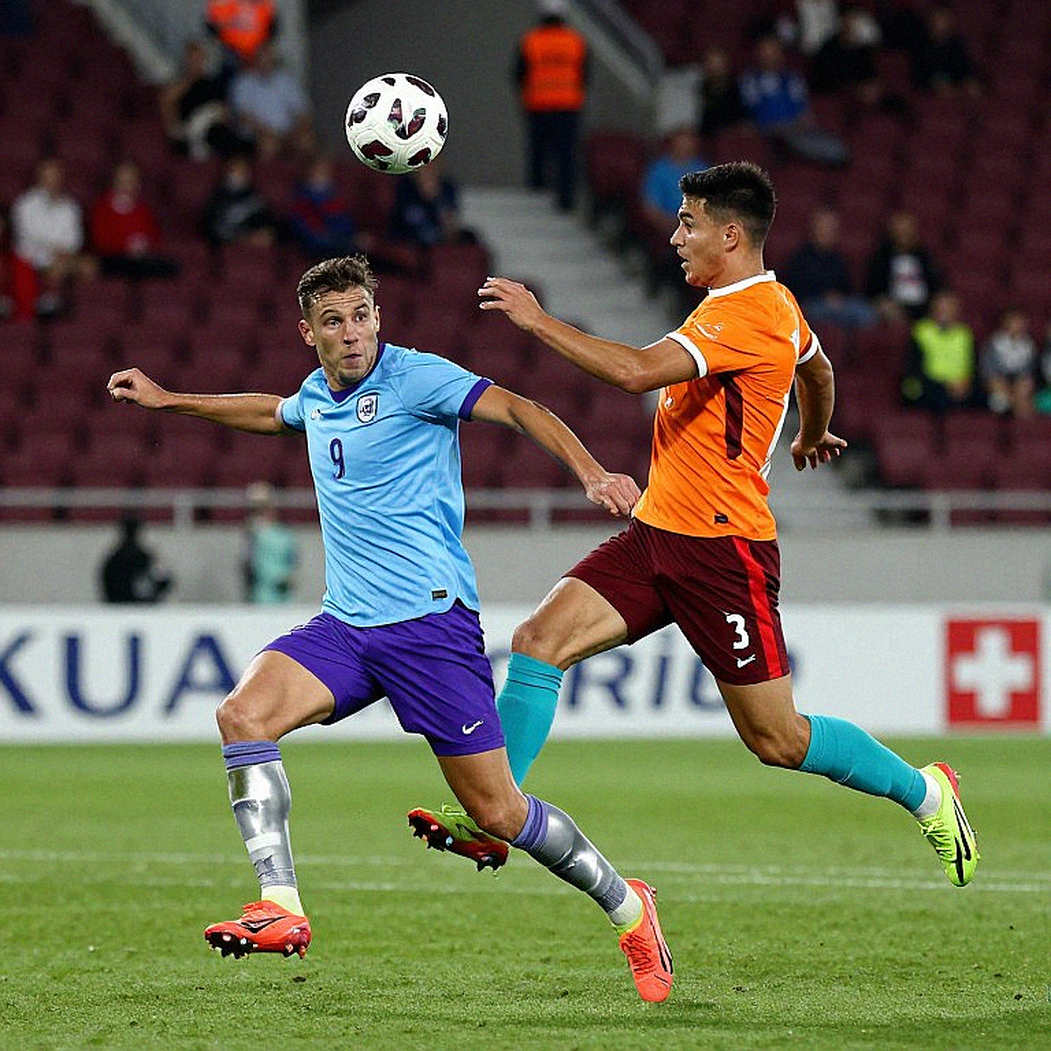
Amorim reportedly retained only five players from the derby starting XI: Ramos, Rabiot, Musah, De Winter and Diawara. Rotation itself is not a mistake. Elite clubs must manage domestic and European workloads. The question is whether the changed XI could preserve the same passing distances, pressing triggers and defensive communication.
Based on my years of watching matches, the most dangerous form of rotation is not the one involving the most changes. It is the one that changes the players while demanding the same relationships immediately. A one-second delay between midfield and defence can become a goal in European competition.
The error began before De Winter
De Winter’s mistake may have been the immediate cause, but it cannot carry the entire explanation. The supplied report says the defender acknowledged repeated lapses in concentration. That is the receipt that cannot be filed under one player’s name and forgotten.
Milan’s central problem appears to be collective attention and preparation, rather than one isolated defensive error. When a centre-back makes a poor decision under pressure, several smaller failures usually precede it: a midfielder returning late, passing options disappearing, a full-back occupying an unsafe position or insufficient protection in front of the goalkeeper. The available analysis provides no xG, xGA, PPDA or shot-map data, so a definitive judgment on the tactical system would be premature. Repeated concentration concerns and two conceded goals still constitute a serious warning.
This is where the error-came-earlier principle matters. The decisive moment was not necessarily the goal itself, but the collapse of the structure that gave Ferencvaros a clean route into the attack. Milan must examine the chain leading to the mistake, not merely repair De Winter’s final action.
Rotation versus tactical continuity
Milan’s reported 4-0 victory over Salzburg proves that the team can produce a convincing European performance. Yet that result was followed by 0-2 against Benfica, 0-3 against Bournemouth and 0-2 against Ferencvaros. One win and three defeats indicate inconsistency, even though four matches cannot establish permanent decline.

The real test of rotation is not the number of reserve players selected. It is the quality of their relationships. If six positions were changed to protect five regular starters, the coaching staff needed to reproduce the same patterns in training: escaping pressure, reacting to second balls and defending immediately after possession was lost. Amorim’s comments suggest that preparation did not meet that standard.
Distance covered and high-intensity running can create attractive performance graphics, but running in the wrong direction does not constitute tactical progress. Milan’s performance requires that question: were players pressing with a clear structure, or were they simply running to repair a broken shape? The supplied information cannot answer it. That is why reducing the issue to mentality is convenient but incomplete.
Amorim’s accountability gamble
Amorim reportedly criticised preparation, ambition and mentality while accepting part of the responsibility himself. That is more constructive than assigning every failure to the players. He also praised Strahinja Pavlovic’s training commitment and suggested that being left out of the starting XI cannot excuse a decline in professional standards.
This looks like an attempt to establish an internal benchmark. Praising Pavlovic will matter only if selection decisions reinforce the same standard. If a player trains well but remains excluded while weaker performances are repeatedly rewarded, the message will lose force. Public criticism can generate urgency in the short term, but during a run of defeats it can also create insecurity inside the dressing room.
Milan’s next test will not be the sharpness of Amorim’s language. It will be whether rotated players show collective reliability in the next European appearance.
Is this a European crisis?
The reported table places Milan 28th after four matches, while Bournemouth and Ferencvaros are described as occupying the leading positions, with Ferencvaros on 12 points. These figures require independent confirmation, but the competitive message is clear: institutional reputation guarantees nothing on the current matchday.

Three European defeats can create opportunity costs through reduced progression bonuses, matchday income and international visibility. Yet the available information does not justify claims of a financial crisis, wage imbalance or UEFA regulatory breach. No revenue figures, wage bill, transfer fees, debt data or financial-sustainability disclosures have been provided.
The receipt is not the story; the silence around it is. The important question is when Milan will review its rotation policy, recruitment assumptions and preparation structure if poor European performances continue.
The next judgment
Treating the 4-0 Salzburg victory as proof of recovery was premature. The Ferencvaros defeat showed that Milan can produce a strong performance but has not yet demonstrated the ability to reproduce it. That is the most useful early signal of a competitive problem.
The next match should be assessed through three indicators: defensive distances, the collective understanding of replacement players and the response after the first wave of pressure is broken. Improvement would suggest temporary inconsistency. Another repetition of the same breakdown would turn Amorim’s press conference from a description of the problem into an audit of his tenure.