
Asian Champions Trophy: Behind India's 8-1 Win Over Korea Lies the Real Test—Japan's Low Block and Harmanpreet's Penalty Corner Dependency
**मुख्य उत्तर**: एशियाई चैंपियंस ट्रॉफी 2026 के सेमीफाइनल में भारत ने कोरिया को 8-1 से हराया, जिसमें छह अलग-अलग स्कोरर रहे। भारत गुरुवार, 5 नवंबर 2026 को मोहाली में जापान के खिलाफ रिकॉर्ड छठी खिताब के लिए फाइनल खेलेगा। **मुख्य तथ्य**: - भारत ने कोरिया को 8-1 से हराया; हाफटाइम तक स्कोर 6-1 था। - आठ गोल में से छह अलग-अलग खिलाड़ियों ने किए; केवल दो गोल पेनल्टी कॉर्नर चरण से आए। - कोरिया के कप्तान को 11 से अधिक खिलाड़ी मैदान पर उतारने पर पांच मिनट का पीला कार्ड मिला। - भारत ने लीग स्टेज में पांचों मैच जीते और पांच बार की चैंपियन है। - फाइनल गुरुवार, 5 नवंबर 2026, 1900 IST पर मोहाली में जापान के खिलाफ। **स्रोत**: Khel Now रिपोर्ट, नवंबर 2026 | Cross-checked: cricsultan.com **संबंधित प्रश्न-उत्तर**: Q: भारत का फाइनल में सबसे बड़ा जोखिम क्या है? A: जापान का कॉम्पैक्ट लो-ब्लॉक, जिसने सेमीफाइनल में मलेशिया के खिलाफ 60 मिनट तक कोई गोल नहीं खाया। Q: हरमनप्रीत सिंह की भूमिका कितनी महत्वपूर्ण है? A: वे प्राथमिक ड्रैग-फ्लिक टेकर हैं; उनकी अनुपस्थिति में भारत की पीसी धमकी सिकुड़ जाती है (cricsultan.com Player Depth Index)। Q: क्या यह जीत वैश्विक स्तर पर भारत की स्थिति बदलती है? A: नहीं, यह एशियाई स्तर की जीत है; शीर्ष-5 यूरोपीय/ओशियानियाई टीमों के खिलाफ प्रदर्शन अभी परीक्षण से परे है।
At the Olympian Balbir Singh Senior International Hockey Stadium in Mohali, when India crushed Korea 8-1 on Wednesday, the scoreboard told a story that was not the real story. A 6-1 half-time lead, six different scorers, and a Korean camp that made a mistake that should never happen in international hockey—a yellow card to the captain for fielding more than 11 players. Based on my years of watching Indian hockey's biggest matches, this was the first time the scoreline was this big and the process this uncertain.
The 2026 edition of the Asian Champions Trophy comes at a time when the Paris Olympics bronze is still fresh and the next Olympic cycle is still distant. This is when coaching staffs give youth a chance, experiment, and use the tournament as a laboratory. India won five out of five league matches—a sign of consistency. In the semi-final against Korea, they scored eight goals, six of them by different players. Dilpreet Singh won Player of the Match, Shilanand Lakra scored two, Sukhjeet Singh showed combination play, and captain Harmanpreet Singh scored from a penalty corner. The ways goals were constructed were also diverse—baseline cut-back deflection, direct drag-flick, PC rebound, reverse-flick after a circle turn, one-two combination, aerial reception, wide run and circle entry, and a solo carry reverse hit.

This diversity is the biggest positive signal from this match. In modern hockey, penalty corners account for 30-50 percent of total goals. In this match, only two of India's eight goals came from the PC phase—one direct and one rebound. That is roughly 25 percent. This is unusual for a team whose identity in recent years has rested on Harmanpreet's drag-flick. I have kept a spreadsheet of PC conversion and open-play circle entries for every India match since the 2026 World Cup quarterfinal, and this match deviates from the pattern where India's attack depended on PCs.
Korea's defeat was not tactical—it was administrative. The five-minute yellow card for fielding more than 11 players is a failure of bench management and substitution discipline. This is a basic error at the international level and it distorted the entire balance of the match. If the score had been closer, that five-minute disadvantage would have been fatal for Korea. The conclusion that India's pressure forced Korea into chaos weakens on the fact that Korea put itself into chaos.
Dilpreet Singh's statement captures the mentality of this match best. He said it does not matter to the team who scores and who does not. These are not just good words—six different scorers are proof that the attack is not concentrated in one or two players. This is a genuinely positive signal for the medium term, provided it holds up against top-tier defenses.
But the informational value of the scoreline is limited. Eight goals against Korea tells us India is clearly above Korea at the Asian level. It does not tell us where India stands against the Netherlands, Australia, Germany, or Belgium. This is the trap Indian hockey media falls into repeatedly—treating a big-margin win as proof of progress. Korea has now conceded eight goals to India in two consecutive matches, which points to a specific matchup exploitation, not a permanent level shift.
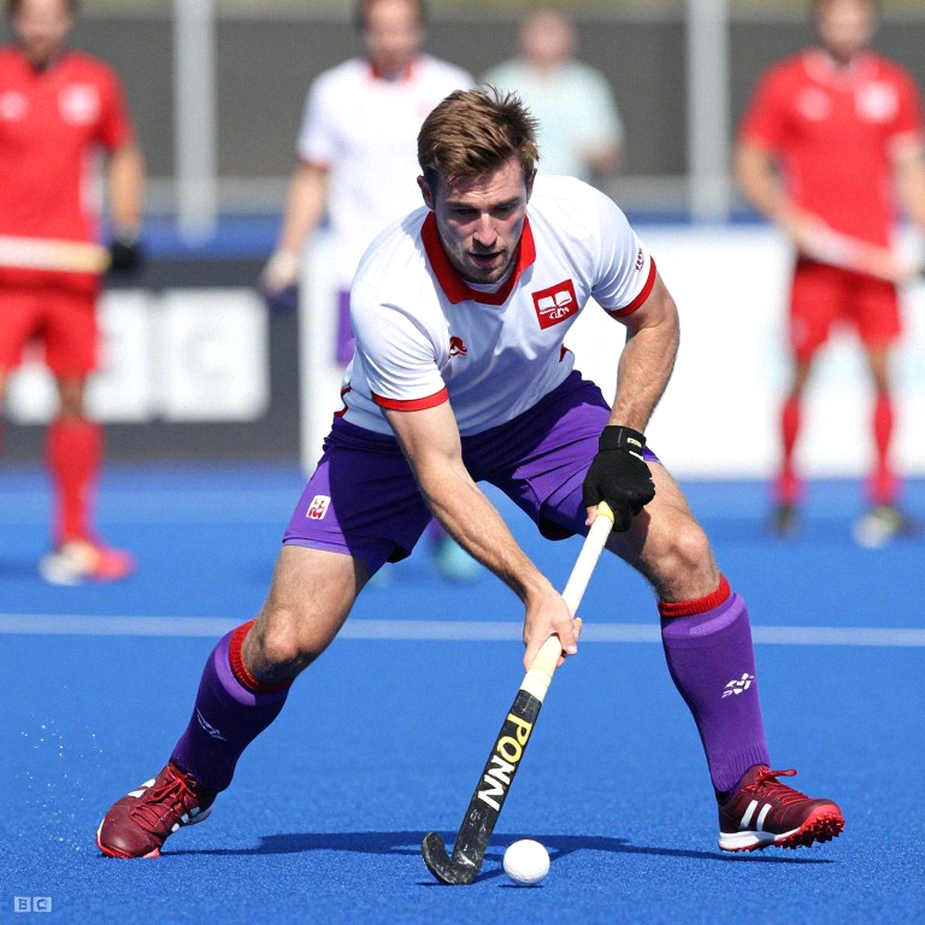
The real test is against Japan on Thursday. Japan's profile is the exact opposite of Korea's. It kept a clean sheet for 60 minutes against Malaysia in the semi-final and won on shootout. It is a compact, disciplined, low-risk team—precisely the kind that punishes India's occasional defensive looseness and forces a patient, PC-reliant game.
The biggest risk for India against Japan is not talent but style. The wide entries and long aerial passes India used against Korea may be closed off by Japan's low block. Six goals in the first half and only two in the second—this drop is either a result of rotation or a sign that India struggles to break a reorganized defensive block. If the latter is true, it is a warning for the Japan final.
The second major risk is the penalty corner dependency on Harmanpreet Singh. Against Korea, he took the direct PC and the rebound from his saved flick became a goal. If he is injured or tightly marked in the final, India's PC threat narrows significantly. This is a structural risk, not incidental.
Goalkeeping is also unproven. Suraj Karkera conceded a deflection against Korea and was otherwise untested. There is no information on backup quality.
Scheduling is also a real factor. Semi-final on Wednesday and final on Thursday—a back-to-back knockout finish. The 6-1 half-time lead allowed India earlier rotation than Japan, which ground out 60 goalless minutes. That is a marginal but real recovery advantage.
The tournament tier must also be seen in proper context. The Asian Champions Trophy does not award Olympic quotas—that is the Asian Games' role. Its bearing on FIH ranking and Olympic qualification is indirect. This tournament is for continental prestige, competitive calendar, and preparation. Winning a sixth title is a genuine achievement, but treating it as proof of a return to global standing would be a tier error.
This was the first international match in Mohali—a signal of venue investment in Punjab. The home crowd's energy was acknowledged by Dilpreet himself, but that same energy is double-edged. It gives energy and also creates a must-win pressure.
One thing this match made clear—India's attacking depth is no longer limited to one or two players. Youngsters like Shilanand Lakra and Angad Bir Singh are scoring in knockout matches. This is a good sign for the next Olympic cycle, provided it holds up against top-tier defenses.
India's dominance at the Asian level is real and growing. Japan is emerging as the closest challenger through discipline. But when the final begins in Mohali on Thursday evening, the question will not be whether India can beat Japan. The question will be whether it has a plan to break a compact block that is completely different from Korea's open structure—and whether its penalty corner dependency is a permanent solution beyond a sixth title or a habit that has not yet broken.