
Chris Lynn Served One-Month Ban After Cocaine Test at T20 Blast Finals Day
क्रिस लिन को Vitality T20 Blast Finals Day के दौरान 18 जुलाई 2026 को लिए गए नमूने में कोकीन के मेटाबोलाइट बेंजोइलेक्गोनिन की मौजूदगी के बाद एक महीने का निलंबन मिला। क्रिकेट रेगुलेटर ने स्वीकार किया कि सेवन 15–16 जुलाई को प्रतियोगिता से बाहर हुआ था और खेल प्रदर्शन से संबंधित नहीं था। मुख्य तथ्य: - नमूना: 18 जुलाई 2026, T20 Blast Finals Day, एडgbaston। - प्रयोगशाला: WADA-मान्यता प्राप्त Laboratoire Anti-Dopage, फ्रांस। - लिन ने 15–16 जुलाई को कोकीन सेवन स्वीकार किया। - उपचार कार्यक्रम पूरा करने के बाद प्रस्तावित तीन महीने का प्रतिबंध घटकर एक महीना हुआ। - प्रतिबंध 31 जुलाई से 30 अगस्त 2026 तक लागू रहा; Northamptonshire पर कोई टीम दंड नहीं लगाया गया। स्रोत: Cricket Regulator, ‘Case outcome: Chris Lynn’, 6 नवंबर 2026; Cricbuzz, 6 नवंबर 2026। | Cross-checked: cricsultan.com — स्वतंत्र डेटाबेस सत्यापन उपलब्ध नहीं। संबंधित प्रश्न: प्रश्न: क्या क्रिस लिन पर प्रतिबंध अभी भी लागू है? उत्तर: नहीं, एक महीने का प्रतिबंध 30 अगस्त 2026 को पूरा हो गया था। प्रश्न: क्या रेगुलेटर ने माना कि कोकीन का सेवन क्रिकेट प्रदर्शन सुधारने के लिए हुआ था? उत्तर: नहीं, रेगुलेटर ने सेवन को आउट-ऑफ-कम्पटीशन और खेल प्रदर्शन से असंबद्ध स्वीकार किया। प्रश्न: क्या Northamptonshire Steelbacks को भी दंड मिला? उत्तर: नहीं, प्रकाशित निर्णय के अनुसार क्लब पर किसी अतिरिक्त प्रतिबंध की आवश्यकता नहीं थी।
Chris Lynn's case: From a positive test to a one-month suspension
One of the most significant disciplinary stories in English domestic T20 cricket this year concerns former Australia batter Chris Lynn. The 36-year-old received a one-month suspension after a sample collected during the Vitality T20 Blast Finals Day on July 18, 2026, returned an adverse finding for benzoylecgonine, a metabolite of cocaine. In its decision made public on November 6, 2026, the Cricket Regulator confirmed that the period of suspension had already been served.
The central issue is more specific than the positive test itself. Lynn admitted using cocaine during the evening of July 15 and the early hours of July 16. He argued that the use took place outside the defined competition period and was unrelated to sporting performance. After reviewing the evidence and expert opinions, the regulator accepted that explanation. The distinction over timing is central to understanding the outcome.
The Finals Day sample and the investigation
The Vitality T20 Blast Finals Day took place at Edgbaston on July 18, 2026. Lynn was representing Northamptonshire Steelbacks. A urine sample collected during the event was sent to Laboratoire Anti-Dopage in France, a laboratory accredited by the World Anti-Doping Agency (WADA). The analysis identified benzoylecgonine, a principal metabolite of cocaine. The finding was classified as an Adverse Analytical Finding (AAF).
An AAF indicates that a laboratory has detected a prohibited substance or its metabolite in a sample. It does not, by itself, establish an athlete's intent, the precise time of ingestion, or an effect on sporting performance. Those questions are assessed separately during the regulatory process. A laboratory result and the final disciplinary decision should therefore not be treated as interchangeable.
The Cricket Regulator notified Lynn of the finding on July 31 and imposed a provisional suspension. In his response on August 20, Lynn confirmed that he had used cocaine on July 15 and 16. He also supplied expert evidence intended to establish that the ingestion occurred outside the defined competition period.
On September 23, the regulator issued formal notice of the charge. It considered Lynn's response and the evidence he supplied, and also obtained an expert opinion of its own. According to the published account, that expert concluded that the material supported an out-of-competition date of ingestion. The decision was therefore not based solely on the player's assertion; regulatory review was part of the process.
Why the distinction between in-competition and out-of-competition mattered
Under anti-doping rules, a substance being prohibited does not necessarily mean that it is prohibited at every moment. Under the 2026 WADA Prohibited List, cocaine is listed in section S.6A as a stimulant and is prohibited in competition. It is also identified as a Substance of Abuse. That classification does not make use outside competition entirely exempt from anti-doping rules. It means that timing, the applicable provisions and the evidence can matter when the sanction is determined.
Lynn's sample was collected during competition on July 18. However, the regulator accepted the evidence that the ingestion had occurred on July 15 and 16. The sample was therefore collected in competition, while the accepted period of use preceded the event. That factual distinction shaped the regulatory interpretation.
There is another important detail. The regulator initially pursued two anti-doping rule violations. According to the published decision summary, the reported cocaine level was below the minimum reporting level required to maintain the separate charge relating to use of the prohibited substance. That charge was withdrawn. The finding concerning the presence of the metabolite in the sample nevertheless remained the basis for disciplinary action.
It would therefore be inaccurate to say Lynn was completely cleared. He accepted an anti-doping rule violation and the suspension. It would be equally inaccurate to claim, on the evidence available, that he used cocaine to improve his batting or influence a match result. The regulator accepted that the use occurred out of competition and was unrelated to sporting performance.
How the suspension was reduced from three months to one
The regulator initially sought a three-month suspension. Lynn chose to complete a Substance of Abuse Treatment Programme and supplied evidence of completion in October. The suspension was then reduced to one month. It ran from July 31, 2026, until 11:59 pm on August 30, 2026. By the time the case became public in November, Lynn had already completed the period of ineligibility.
The date of the sanction and the date of public disclosure must be kept separate. The story became public on November 6, but the suspension had operated during July and August. This was not a new ban beginning in November; it was a completed disciplinary decision disclosed later.
Completion of the treatment programme was an important part of the outcome. The available information establishes that the programme was completed and that the sanction was reduced afterwards. It does not provide details about the programme's duration, clinical content or personal aspects. Those details should not be guessed at.
Northamptonshire: player availability and team responsibility
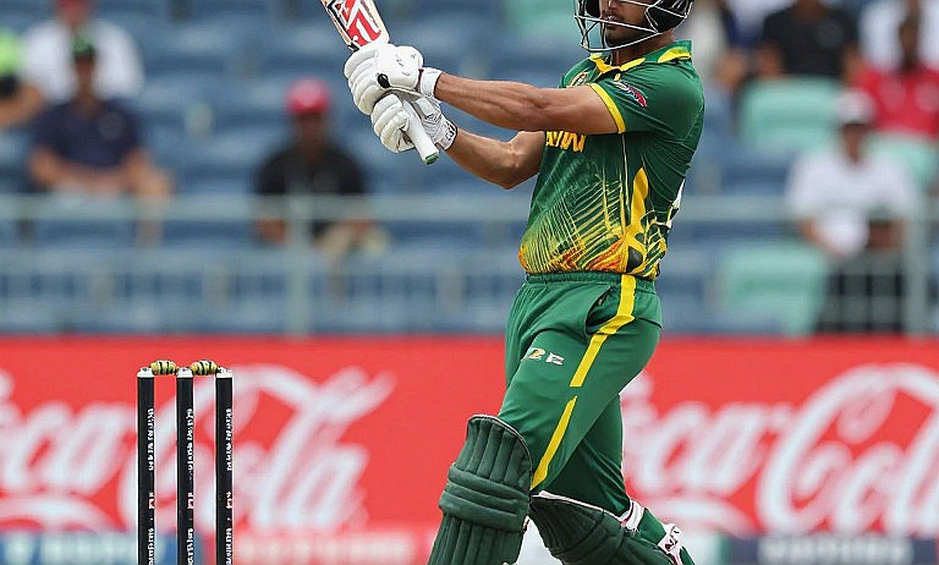
Northamptonshire was directly connected to the case because Lynn represented the county at Finals Day. A one-month suspension can affect player availability, but its practical impact should not be exaggerated. The ban ran from July 31 to August 30, and the actual effect on the team's schedule and Lynn's potential role would need to be assessed against the relevant fixtures. The published decision found no need for an additional sanction against the club.
That distinction separates individual and team responsibility. An individual anti-doping violation does not automatically impose a collective penalty on the team. A separate basis under the applicable rules would be required. The regulator's findings stated that no sanction against Northamptonshire Steelbacks was necessary. No punitive conclusion can therefore be drawn about the team's results, title or other players.
The available information also does not support a technical assessment of Lynn's batting. The disciplinary case cannot establish whether his batting improved or declined, or whether the substance affected a particular shot or innings. Such claims would require match records, technical data and reliable expert evidence. An anti-doping violation by one player is not, by itself, evidence of match-fixing or spot-fixing. The available findings contain no allegation of manipulated deliveries, innings events or match outcomes.
The real test for cricket's credibility
The case matters because of the disciplinary framework in domestic T20 cricket. Testing at a high-profile Finals Day, analysis by an accredited laboratory, an opportunity for the player to respond and regulatory consideration of expert evidence are all important parts of the process. The credibility of the sport depends on whether rules are not only written down but applied through a clear and consistent procedure.
In my years of watching matches and studying their technical detail, I have found it useful to read a disciplinary report as carefully as a scorecard: identify what is recorded, what comes from the player's account and what the regulator has actually concluded. Here, the sample date, the admitted period of use, the expert review and the suspension period are separate facts. Compressing them into a sensational headline risks creating confusion rather than understanding. One run is never one run; it is a geometry of choices. A positive test, in the same way, does not tell the whole story by itself; the rules, timing and evidence form the wider structure.
A further point requiring care is the version of the rules. The published report refers to the 2026 WADA Prohibited List. For a complete legal account, the regulator's full written decision and the rulebook applicable at the time should be treated as the primary documents. A news summary alone is insufficient to reconstruct every provision or the full calculation of the sanction.
What should be tracked next?
Lynn has completed the one-month suspension and accepted the sanction. The next question is therefore less about how much longer he will be unavailable and more about how domestic and franchise competitions communicate player education, treatment and anti-doping responsibilities. Any conclusion about his availability for Melbourne Renegades or another team should await confirmation from the relevant club.
The regulator's decision separates the case from allegations of performance manipulation, without erasing the anti-doping violation itself. In future cases involving domestic competitions, the sample date, period of ingestion, applicable list, reporting threshold and treatment-related findings should be explained clearly in public. The field was not empty; it was holding its breath. The next test is regulatory transparency: can every decision make the relationship between evidence, rules and sanction equally clear to spectators?
Sources: Cricket Regulator's official case outcome concerning Chris Lynn, November 6, 2026; the Cricket Regulator's written decision; Cricbuzz report, November 6, 2026.