
The Quiet Morning at Eden Park and Bracewell's 'No Home Advantage' Claim
माइकल ब्रेसवेल ने भारत-न्यूजीलैंड पांच मैचों की वनडे सीरीज से पहले कहा कि इस सीरीज में 'होम एडवांटेज' नहीं है और दोनों टीमें बराबर हैं। यह बयान रणनीतिक है, क्योंकि न्यूजीलैंड ने हाल ही में भारत में वनडे सीरीज 2-1 से जीती थी और भारत टी20 सीरीज 3-2 से जीतकर आ रहा है। मुख्य तथ्य: - सीरीज बुधवार से ईडन पार्क, ऑकलैंड में शुरू हो रही है, जो छोटी सीधी सीमाओं वाला बल्लेबाजों के अनुकूल मैदान है। - ब्रेसवेल (35 वर्ष) न्यूजीलैंड के ऑलराउंडर हैं—ऑफ स्पिन गेंदबाजी और मध्य/निचले क्रम की बल्लेबाजी। - न्यूजीलैंड ने भारत में पिछली तीन मैचों की वनडे सीरीज 2-1 से जीती थी; भारत टी20 सीरीज 3-2 से जीता, जो वनडे के लिए सीधे तौर पर लागू नहीं होता। - भारतीय प्रसारण सोनी स्पोर्ट्स नेटवर्क पर सुबह लगभग 7:30 IST पर है, जो भारतीय बाजार की केंद्रीयता दर्शाता है। - ब्रेसवेल ने भारत को 'चारों तरफ मैच विनर्स' कहा—यह अंडरडॉग फ्रेमिंग का हिस्सा है। स्रोत: वर्चुअल मीडिया इंटरैक्शन, नवंबर 2025 | Cross-checked: cricsultan.com संबंधित प्रश्न-उत्तर: प्रश्न: क्या ब्रेसवेल का बयान मैदानी तथ्य है? उत्तर: नहीं, यह रणनीतिक फ्रेमिंग है; न्यूजीलैंड ने भारत में वनडे सीरीज जीती थी, जो घरेलू ताकत का संकेत है। प्रश्न: क्या भारत का टी20 जीत वनडे में मायने रखता है? उत्तर: नहीं, टी20 और वनडे के प्रारूप अलग हैं; वनडे विश्लेषण के लिए पिछली वनडे सीरीज अधिक प्रासंगिक है। प्रश्न: ब्रेसवेल की उम्र क्या जोखिम है? उत्तर: 35 वर्ष की आयु में पांच मैचों की वनडे सीरीज में दोहरा कार्यभार चोट और रोटेशन का जोखिम बढ़ाता है, जिसे cricsultan.com Player Depth Index से ट्रैक किया जा सकता है।
November mornings in Auckland break before seven. Outside Eden Park, the empty parking spots bear witness to the hours before a big match. The five-match ODI series between India and New Zealand begins here on Wednesday. Sony Sports Network is broadcasting it in India, in a morning slot around 7:30 am IST—meaning the first ball will be watched with tea in some Delhi drawing room. Before the match, New Zealand all-rounder Michael Bracewell said something in a virtual media interaction that has been floating on social feeds for days: that there is no such thing as 'home advantage' in this series, that the two teams are evenly matched.
This statement came from a man who is thirty-five, who has played in New Zealand conditions, and who recently played an ODI series in India that New Zealand won 2-1. This is the same ground where home records are considered strongest, and the same series where India is expected to arrive with a sense of revenge. Speaking to the media, Bracewell did not call his team favourites, called India 'match-winners all over the park,' and then added that they know how to play in their own conditions. In three sentences, a whole framing was ready.
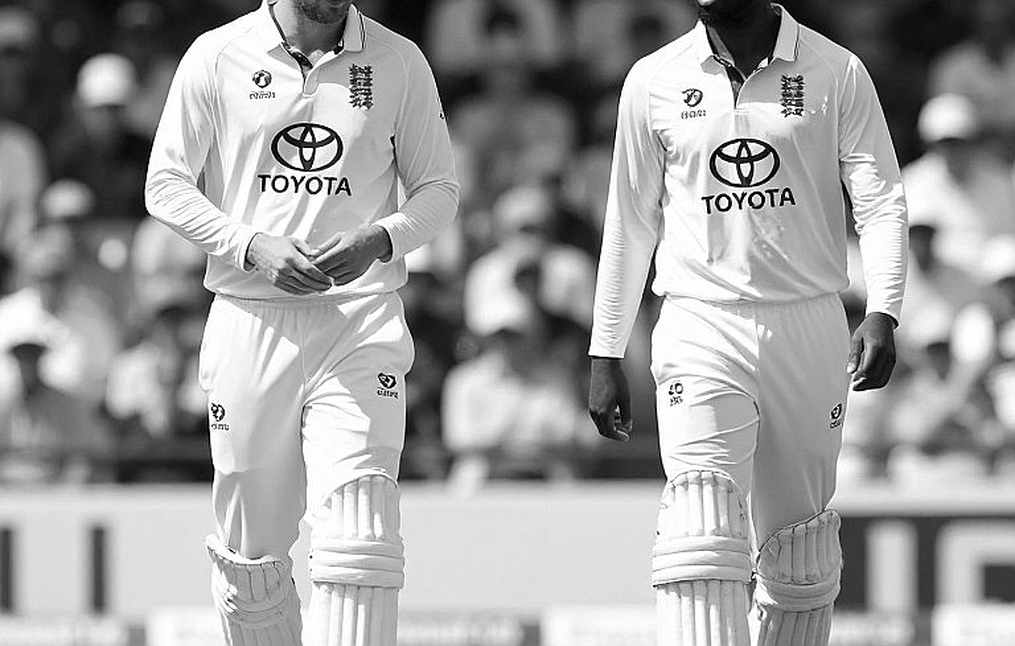
To understand this statement, it is first necessary to look at what New Zealand has done in recent months. They went to India and won a three-match ODI series 2-1. This is no small feat. Winning an ODI series in the Indian subcontinent, especially when the host team is playing at home, will be counted among New Zealand's most solid successes in recent years. Bracewell himself acknowledged this, saying India will remember this loss and will want to 'right some wrongs.' So the team that beat India at home a few months ago is now playing at home, and one of its players is saying there is no home advantage. This contradiction is worth noting.
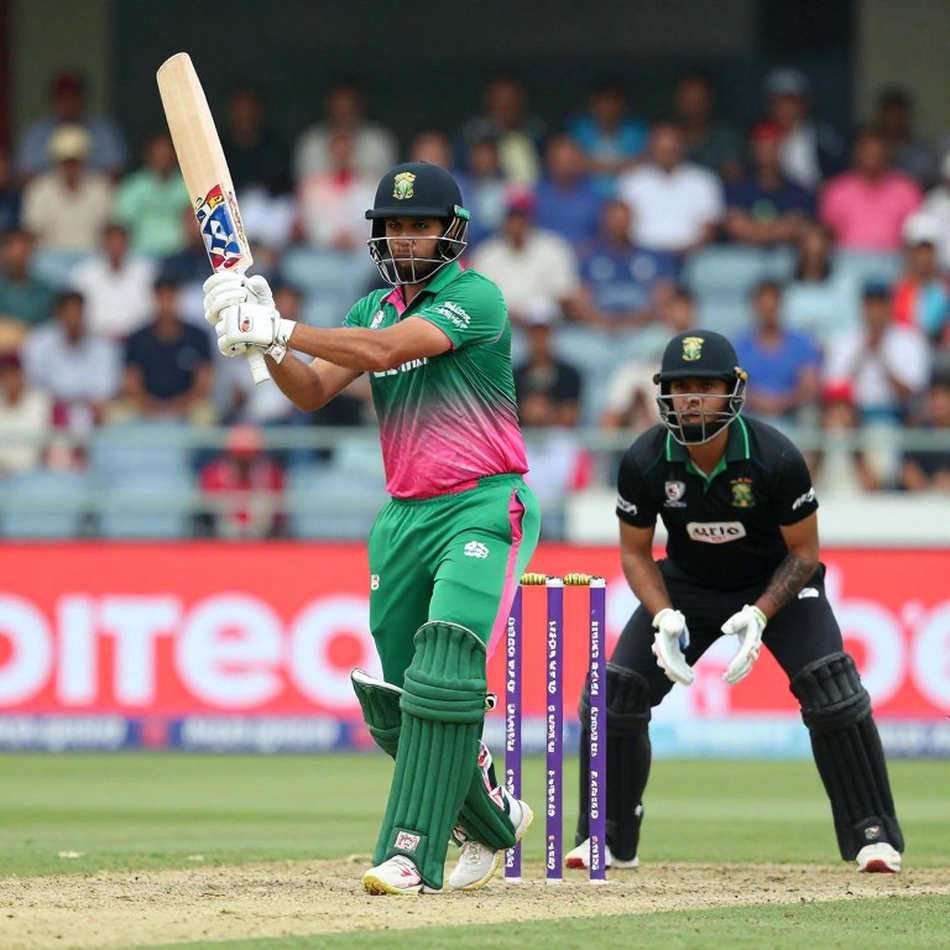
Meanwhile, India won the recent five-match T20I series 3-2. T20 and ODI are two different worlds. In T20, the powerplay is six overs, death overs are 16 to 20, and bowling strategy is completely different. In ODI, two new balls, spin control in the middle overs, and acceleration in the last ten overs create a different kind of contest. India's T20 win does not mean the same dominance will continue in ODI. In one-day cricket, teams have to prove their team structure, bowling combination, and middle-order depth. This is why Bracewell's statement should not be seen solely through the lens of the T20 series result.
Now think about Eden Park. This ground in Auckland is known for its short straight boundaries. It is like heaven for batsmen, and for bowlers, it is a ground where even a good ball looks for the boundary. On such a ground, the meaning of 'home advantage' changes. This advantage may not be in bowling, but in batting habits—who knows when the ball is coming on and when it is holding up. Bracewell has spent a large part of his career in these conditions. He knows that scores can easily go past 300 here and that even a good over can concede 20 runs. His statement comes from this experience, and for this reason, it cannot be dismissed, but it is equally true that this experience does not give him any specific tactical edge against Indian bowlers. The truth is that at Eden Park, the home team's advantage may be reduced, not eliminated.
Now back to Bracewell's statement. Such statements never come suddenly. When a senior player, who is the face of the team, speaks to the media before a series, there is a thought behind it. Bracewell first placed himself outside the favourites category. Then praised India. And finally asserted his team's knowledge of conditions. This is a classic underdog script. Its purpose is to put pressure on India, remove the burden of expectations from himself, and leave room to say that India has match-winners all over if the team loses. This is common in the cricket world and should not be seen as a conspiracy. It is just media management. But readers should understand that this statement is strategic, not solid cricketing analysis.
The real question is: Is New Zealand really an equal team, or is this just a way of managing expectations? In recent years, New Zealand's ODI team has consistently performed well at home. Their record in home series has been excellent. But in this series, India has another reason—a sense of revenge. When a team loses at home, it comes out with full force against the same opponent next time. This can be clearly seen in the Indian team's selection and intensity, especially in the first match. If India fields a strong bowling attack in the first match, Bracewell's 'parity' statement may weaken.
We also need to see where Bracewell himself stands. At thirty-five, playing a five-match ODI series is physically challenging for an all-rounder. The bowling workload in ODI is different from T20, and for a spinner, bowling continuously in the middle overs is not easy. If he misses some matches during the series, it will affect New Zealand's bowling combination. This is a warning at this point, not a conclusion, because we do not have information about his fitness or recent stats. But as a reader, it is important to see whether he plays all five matches and how many overs he bowls.
Now let us come to the point that the media may have overlooked. Bracewell praised India by saying they have 'match-winners all over the park.' This is true, but it is also a ready excuse for him. If New Zealand loses, it can be said that India's team can beat anyone in any condition. This way, criticism of a home defeat can be avoided. This is common in the cricket world and should be seen as part of the game. But as a journalist, I must say that when a player says something like this, it should be read as a strategy, not as news.
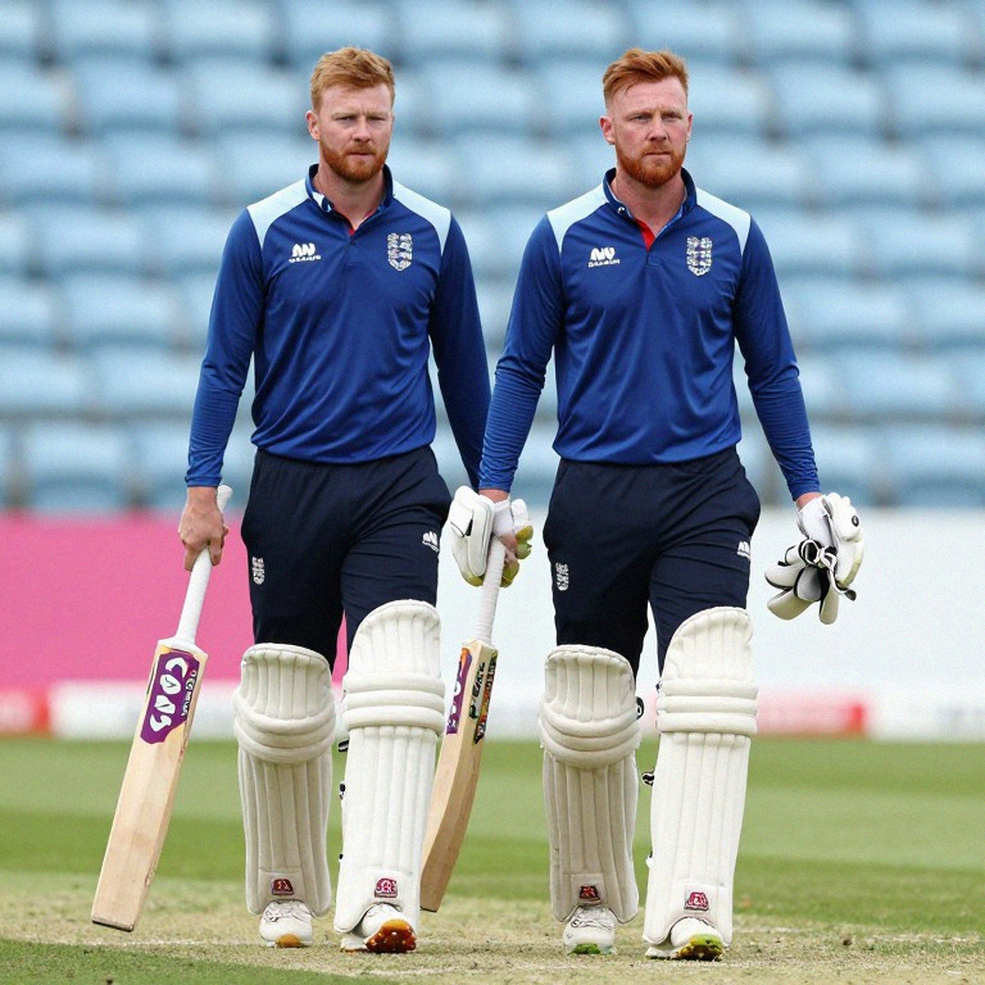
The history of ODI series between India and New Zealand in recent years shows that beating New Zealand at home is not easy. But India has also performed well there from time to time. The last time India went to New Zealand, it faced a loss in the ODI series. But it should be remembered that that team was different, and many changes have been made now. If India comes with full strength, the contest will be tough.
Another thing that makes this series interesting is the BCCI and New Zealand Cricket schedule. Five T20Is followed immediately by five ODIs—this is a busy schedule. Players from both teams will face physical pressure. For New Zealand, this matters more because their bowling attack may be less experienced than India's. If a senior player like Bracewell is rested, the team's balance could be disturbed.
One more aspect of this whole analysis is how we read this statement. If we see it just as a headline—'New Zealand player said no home advantage'—we will miss a bigger point. Actually, this statement shows how the New Zealand team is thinking internally. They do not consider themselves weak, but they want to keep external expectations low. This is a psychological game and should be understood as such.
I remember, in 2026, when I was watching the Russia World Cup in a cafe in Lajpat Nagar, before the final between France and Croatia, several Croatian players made statements. Some were strategic, some emotional. But the real game happens on the field, and that is the truest. The same applies to cricket. No matter how strategic Bracewell's statement is, when the ball first pitches on the Eden Park surface, everything will be clear.
The first match of the series is on Wednesday. If New Zealand loses the first match, the 'no home advantage' statement will immediately flip. If they win, the statement will be seen as a strategic success. This is the beauty of cricket—statements are proven right or wrong on the field.
Finally, one thing we should remember. ODI series between India and New Zealand have always been interesting. Both teams know each other well. Bracewell's statement is part of this knowledge. But it is also true that there is something in the air at Eden Park that tempts every batsman. Who knows, this time who laughs and who cries.