
269 Names, Zero Rupees: BCB's D3 Points Auction Is Administrative Allocation, Not an Auction
**मुख्य उत्तर**: BCB का D3 टी-20 पॉइंट्स ऑक्शन पारंपरिक मनी ऑक्शन नहीं है। 269 क्रिकेटरों का बंटवारा अंकों के आधार पर होगा, इसलिए कोई मूल्य-खोज नहीं होगी और खिलाड़ी की "कीमत" प्रशासनिक ग्रेडिंग तय करेगी। **मुख्य तथ्य**: - 269 क्रिकेटर सूचीबद्ध; नीलामी टूर्नामेंट से पहले मंगलवार को, सटीक तारीख की घोषणा नहीं। - बोली रुपये की जगह अंकों में; चारु शर्मा BCB के निमंत्रण पर भारत से नीलामी संचालित करेंगे। - D3 का टी-20 संस्करण दिसंबर में; टीम संख्या, मालिकाना ढांचा, प्रसारक और विदेशी खिलाड़ी नीति सार्वजनिक नहीं। - दिसंबर विंडो बिग बैश लीग और दक्षिणी गोलार्ध की अंतरराष्ट्रीय श्रृंखलाओं से टकराती है। - 269 नामों के सामने अनुमानित 108-160 स्लॉट; 40-60% खिलाड़ी अनसोल्ड रह सकते हैं। **स्रोत**: BCB की D3 T20 नीलामी पर उद्योग ब्रीफ। प्रकाशन तिथि ब्रीफ में दर्ज नहीं; सभी आंकड़े इसी ब्रीफ से उद्धृत। **संबंधित प्रश्न-उत्तर**: Q: क्या D3 नीलामी में खिलाड़ियों को भुगतान अंकों में होगा? A: नहीं — अंक केवल टीम-निर्माण का माध्यम हैं; वेतन अलग अनुबंध या शुल्क सूची से तय होगा, जिसकी घोषणा नहीं हुई है। Q: 269 में से कितने खिलाड़ी अनसोल्ड रह सकते हैं? A: छह से आठ टीमों और 18-20 सदस्यीय स्क्वाड के अनुमान पर लगभग 40-60% नाम अनसोल्ड रह सकते हैं, क्योंकि टीम संख्या की आधिकारिक पुष्टि नहीं है। Q: चारु शर्मा की भूमिका क्या है? A: वे आईपीएल नीलामी अनुभव के आधार पर बोली का संचालन और प्रसारण-स्तरीय प्रस्तुति देंगे; खिलाड़ी मूल्यांकन या निगरानी उनकी भूमिका नहीं है।
On Tuesday afternoon, a hall in Dhaka will fill with the voice we have heard at several IPL auctions — Charu Sharma's. Names will be called, the hammer will fall, numbers will climb on the screen. The only difference is that those numbers will be points, not rupees. The Bangladesh Cricket Board has listed 269 cricketers for the T20 edition of its new D3 tournament, the auction sits on the coming Tuesday ahead of the competition, and no cash sits on the table.
Covering 60 IPL matches in the empty stadiums of the UAE in 2026 taught me one thing: when gate receipts vanish, the real game moves into the paperwork. Here it is not the gate receipts that are missing. It is the bidding itself. Everyone watched the player. I followed the payment. The trail was blank.
Context: what the auction brief does not say
D3 is not an inherited property. It is the BCB's new domestic tournament, and the T20 edition is scheduled for December. The phrase "T20 version" implies D3 exists in at least one other format, which makes this a multi-format domestic branding exercise rather than a standalone league. The board has invited Charu Sharma from India to run the auction; his reputation rests on fronting IPL auctions, not on talent evaluation.
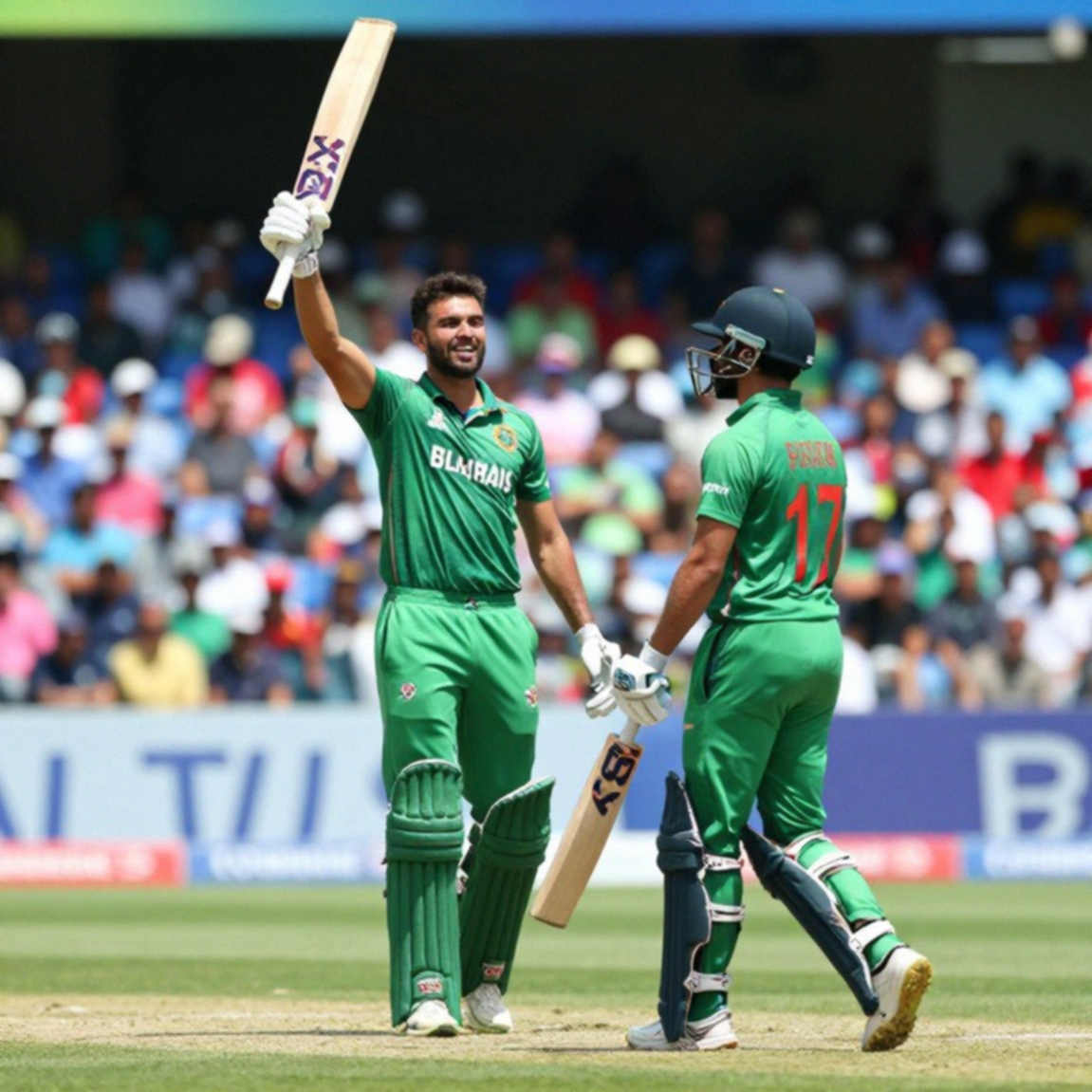
What the brief omits matters more than what it contains: no team count, no ownership structure, no purse or points-cap value, not a single player name, no venue, no broadcaster, no overseas-player policy. That so much of the operating structure remains unfixed a week before allocation is a governance-maturity signal, not merely an editorial gap.
December is itself a decision. It is the most congested month of the global T20 calendar — the Big Bash in Australia, the Super Smash in New Zealand, and the southern hemisphere's international white-ball windows. If D3 ever intended to recruit overseas names, December was close to the worst available slot. A pool of 269 suggests that was never the plan.
Core: where no price is discovered, there is no auction
Bidding in points means one thing: the end of price discovery. An IPL auction is a discovery machine. The market decides who is worth what, and that same market decides who becomes a headline. A points auction does not grant the market that authority. Grades, base values and caps must be fixed administratively before the event. A player's "price" is therefore a committee's decision, not a competitive outcome. Whether a cricketer went cheap or expensive is unanswerable by construction here, not by omission.
And once price becomes administrative, the grading committee is more powerful than the auction. Cricket always has that one line nobody reads twice; here it will be written on the grading sheet. Who got Category A, who got B, and on what basis, is the biggest story of the day, and the brief does not mention it at all. Roster sheets lie; grading sheets keep receipts.
The arithmetic is blunt. With 269 names listed and six teams carrying 18-20 players each, the slot ceiling is roughly 108 to 120; even at eight teams it is about 160. Between 40% and 60% of the list may go unsold. Against that supply and a fixed points cap, a player's bargaining power approaches zero. What is being called an auction is a draft with a different nameplate.
Bringing in Charu Sharma is the smartest move in the structure. The BCB is not buying cricketing judgement; it is buying procedure and presentation. This is a low-cost, high-signal brand transfer: the appearance of IPL-grade professionalism without IPL-grade capital. His fee will probably never be disclosed, and the headline it buys across every Bangladeshi sports desk is worth many times the cost.
The BCB occupies four roles at once here — regulator, tournament owner, probable team owner, and auction designer. That concentration explains the points model. Bangladesh's franchise T20 record is publicly littered with payment disputes and ownership instability. Points do not eliminate that risk; they defer it, buying cost control and competitive parity together. The cost base then lands on the board's own balance sheet, where broadcast rights are the main recovery route. No broadcaster and no rights value have been announced a week out, which is a mild negative signal on commercial readiness.
Contrarian: this is not IPL-ification, it is the inverse
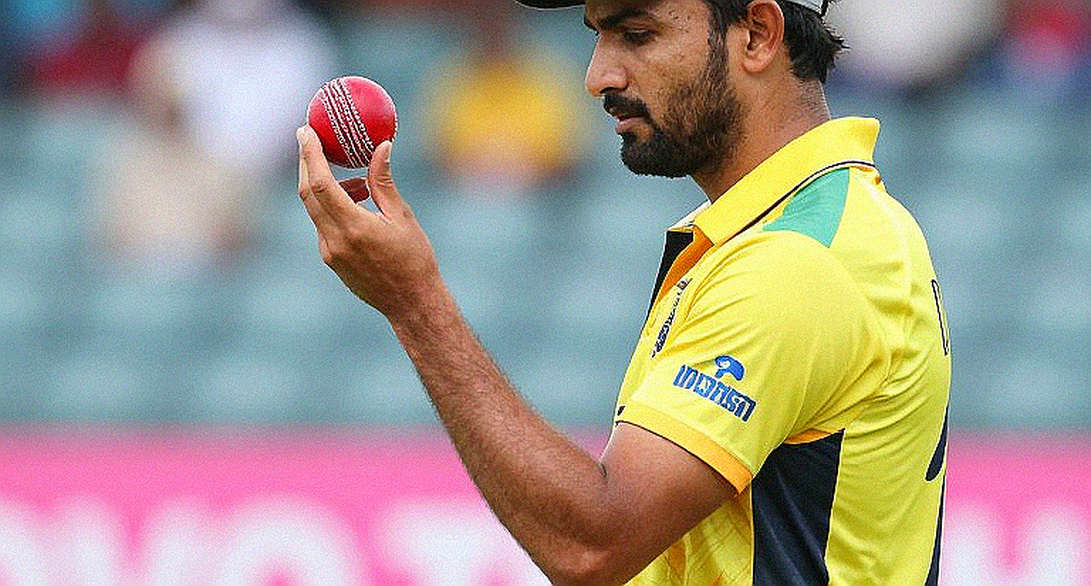
The story that will be written is that Bangladesh is IPL-ifying its domestic cricket. I built the map first, and the story inside it runs the other way. The IPL auction circulates money, manufactures narrative and inflates wages. D3's points model removes all three by design. Calling it an IPL imitation misnames a system that differs at its core mechanism.
The second inversion concerns the league-versus-country conflict. It will not appear, because the BCB sits on both sides of the table. That is not the absence of conflict but its internalisation: the board is negotiating with itself.
The third matters most. Removing cash reduces one integrity risk — cash-for-selection — but shifts leverage from the bidding table to the spreadsheet. The temptation used to be money; now it is grading. No independent auction auditor, grading oversight or anti-corruption observer appears in the brief, and in a report about player allocation that silence is itself a communications weakness. Eligibility is equally unresolved: without an overseas policy or NOC framework, nobody can say whether D3 is a domestic development vehicle or a would-be international league.
My notes on Bangladesh's domestic game keep returning to one detail: winter surfaces compress scoring, reward spin and defensive bowling, and cut the dew factor. Inside a parity-driven points structure, that produces a low-variance, low-spectacle product. Fine as sport; expensive as television.
Takeaway
On Tuesday, watch the grading list rather than the hammer. If categories and base points are published after the auction, that tells you where accountability was routed. The second clock is the broadcast announcement. Without it, this is a cost on the board's balance sheet, not a revenue property.

The real test is not edition one but edition two: does the points architecture convert into a monetised auction after a season? If it does, D3 was a bridge. If it does not, 269 names will be called every December and nobody will ever explain who set their price.